





Trends in Hospitalizations for Acute Complications of Diabetes and Prescription Patterns Before and After Hospitalization for Severe Hypoglycemia
Acute metabolic complications of diabetes include severe hypoglycemia, diabetic ketoacidosis (DKA), and hyperosmolar hyperglycemic state (HHS). Severe hypoglycemia is more likely to occur in older patients treated with insulin or sulfonylureas (SUs) and has been associated with falls, fractures, and cognitive decline. DKA is characterized by severe insulin deficiency, while HHS is characterized by marked hyperglycemia and dehydration. Both conditions may require emergency hospitalization, often triggered by acute illnesses such as infections.
In recent years, increasing emphasis has been placed on individualized diabetes management that minimizes the risk of hypoglycemia in older patients¹. Caution has also been advised regarding the risk of euglycemic ketoacidosis associated with sodium-glucose cotransporter-2 (SGLT2) inhibitors².
November 14 is World Diabetes Day, established by the International Diabetes Federation (IDF) and the World Health Organization (WHO). In Japan, the week including this date is designated as National Diabetes Week, during which various awareness-raising activities are conducted. To mark this occasion, we used MDV’s DPC data to analyze trends in hospitalizations for acute complications among patients with type 2 diabetes, as well as prescription patterns before and after hospitalization among patients admitted for severe hypoglycemia.
1. Annual Trends in Hospitalizations for Acute Complications (Severe Hypoglycemia, DKA, and HHS) Among Patients with Type 2 Diabetes: Overall, by Sex, and by Age Group
Table 1. Indexed Number of Hospitalizations for Acute Complications: Overall, by Sex, and by Age Group (2021 = 100)
Overal
Male patients
Female patients
By age group (all acute complications)⁴
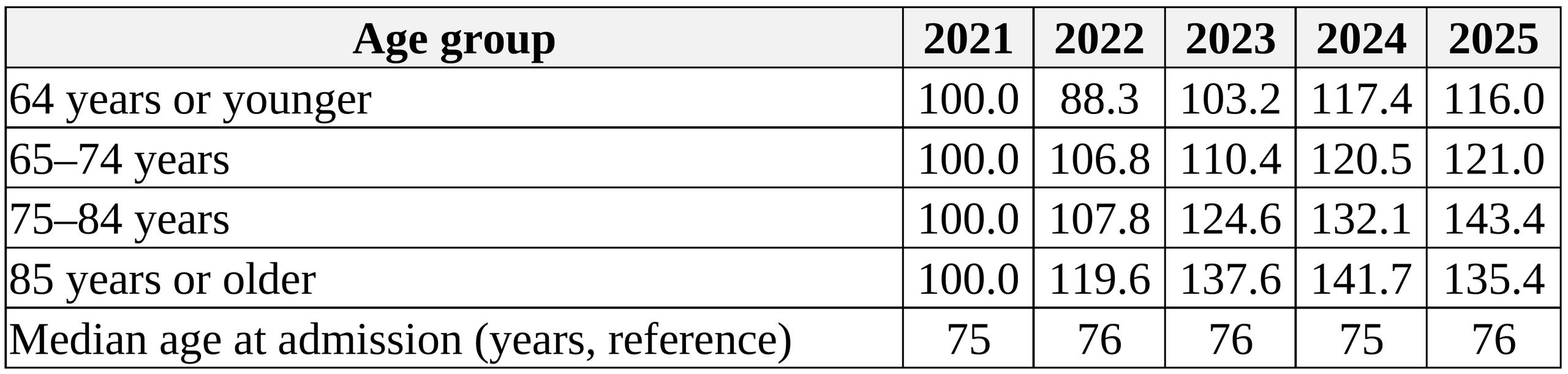
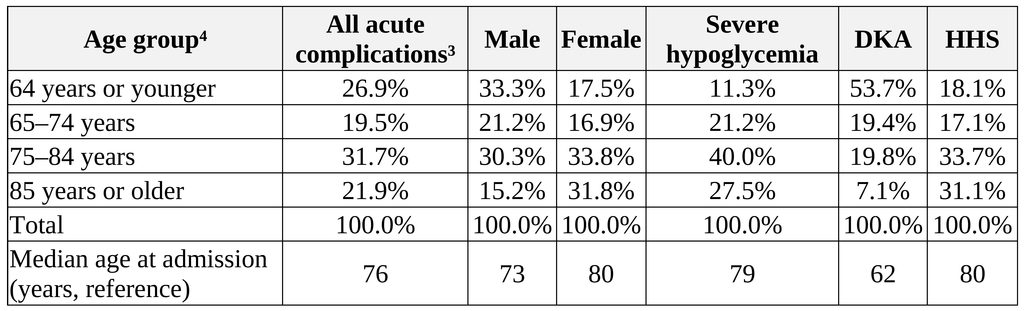
Table 2. Age Distribution of Hospitalizations for Acute Complications (Five-Year Total, %)⁵
- Study period: January 2021 – December 2025
- Target facilities: Hospitals with complete data available throughout the study period.
- Target population: Among patients with a recorded healthcare encounter for type 2 diabetes during the study period, hospitalizations in which an acute complication³ was recorded either as the diagnosis prompting admission or as the diagnosis requiring the greatest use of medical resources. Only hospitalizations with both admission and discharge dates within the study period were included. Patients still hospitalized at the end of the study period and admissions for diabetes education were excluded.
- The type 2 diabetes index is based on patient counts, whereas the acute complication indices are based on hospitalization counts, including repeat admissions. All indices use 2021 as the reference year (2021 = 100), and annual data are classified by discharge date.
- When multiple acute complications occurred during the same hospitalization, the admission was counted separately in each applicable complication category but only once in the total acute complications category.
- Acute complications in this report are defined as severe hypoglycemia, diabetic ketoacidosis (DKA), and hyperosmolar hyperglycemic state (HHS).
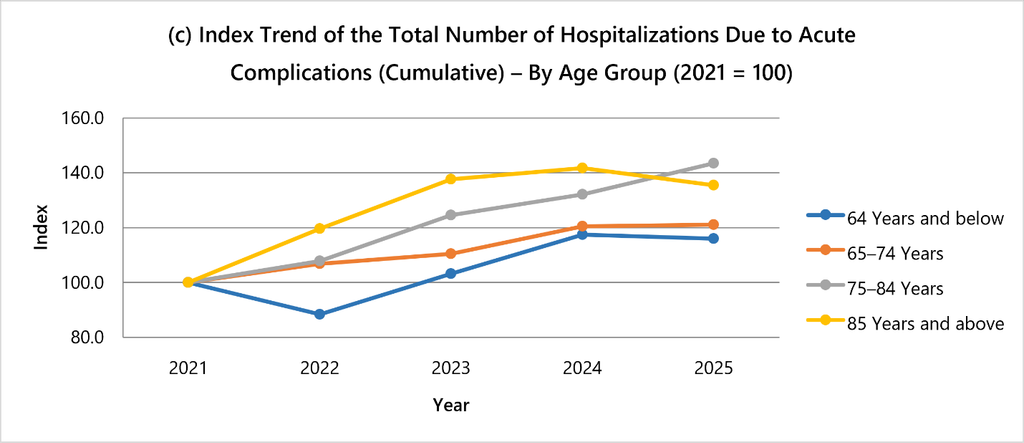
- Age refers to age at admission. Four age groups were defined: 64 years or younger, 65–74 years, 75–84 years, and 85 years or older. Age-specific values in Table 1 represent indices of hospitalization counts for all acute complications, with 2021 set at 100. The reference row presents the median age at admission for each year.
- Composition ratios are based on hospitalization counts, including repeat admissions, over the five-year period. Where a single hospitalization was associated with multiple acute complications, it was counted in each applicable complication category.
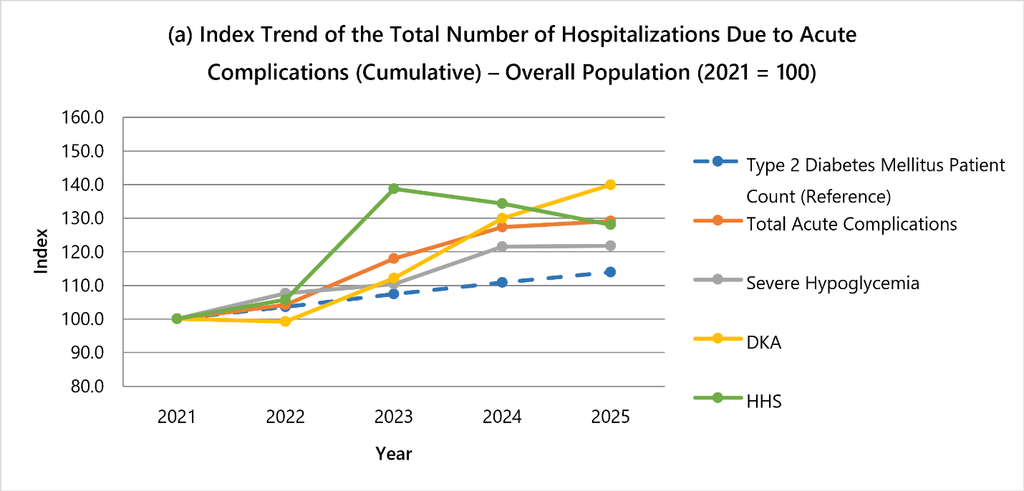
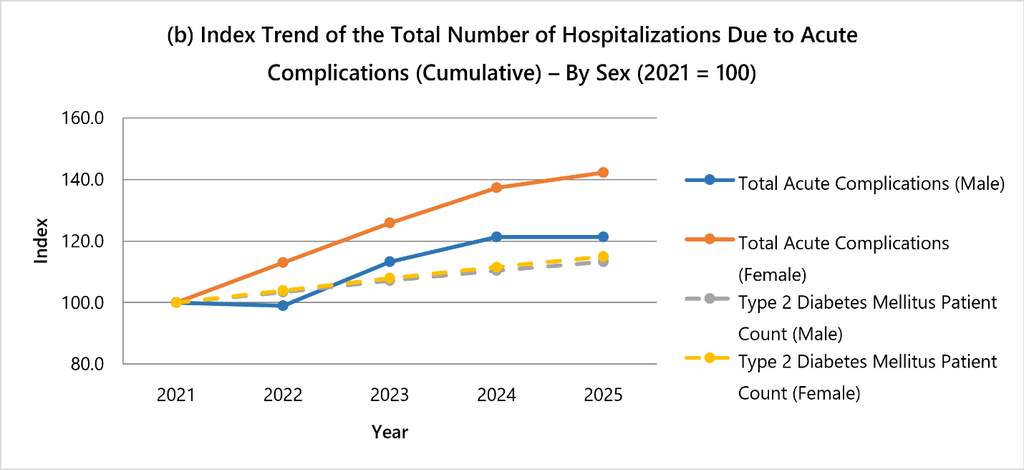
Figure 1. Indexed Trends in the Number of Hospitalizations for Acute Complications (2021 = 100)
- Study period: January 2021 – December 2025 (annual data)
Trends:
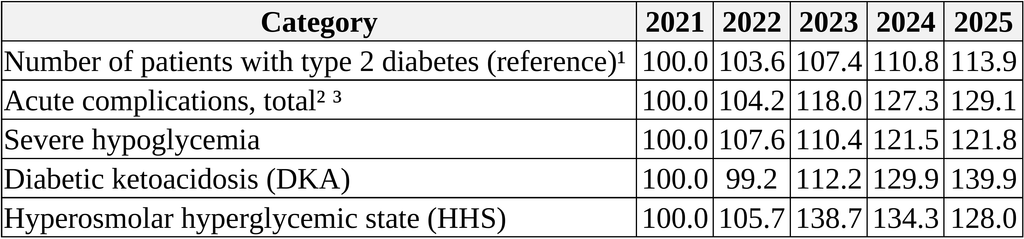
Using 2021 as the reference year (index = 100), the number of patients with type 2 diabetes reached an index of 113.9 in 2025, while the number of hospitalizations for acute complications reached 129.1.
By complication category, DKA showed the largest increase, reaching 139.9, followed by severe hypoglycemia at 121.8. HHS increased to 138.7 in 2023 before declining to 128.0 in 2025.
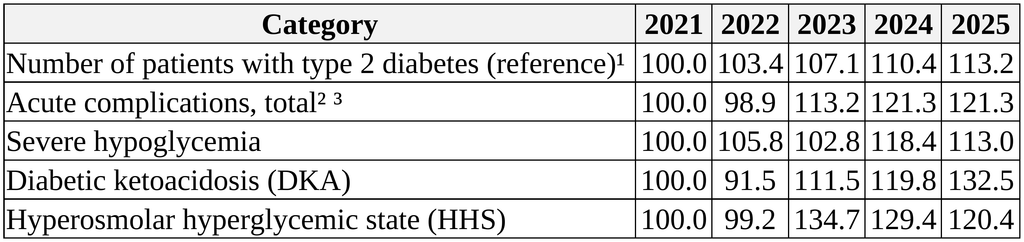
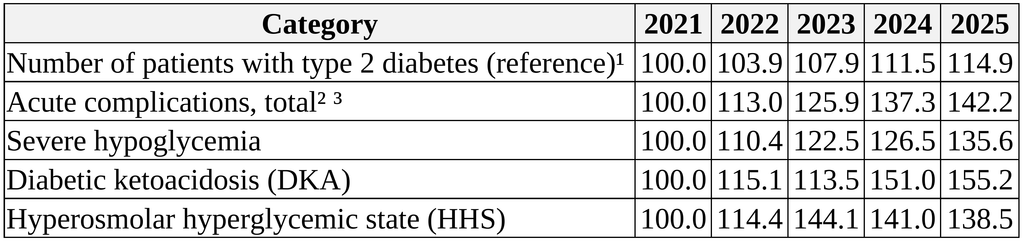
By sex, the index for total hospitalizations for acute complications was higher among female patients (142.2) than male patients (121.3). Among female patients, the indices reached 155.2 for DKA and 135.6 for severe hypoglycemia.
By age group, the highest index in 2025 was observed among patients aged 75–84 years (143.4), followed by those aged 85 years or older (135.4) and those aged 64 years or younger (116.0).
The median age at admission increased slightly from 75 years in 2021 to 76 years in 2025. Over the five-year period, the median age was 79 years for severe hypoglycemia and 80 years for HHS, compared with 62 years for DKA, for which patients aged 64 years or younger accounted for 53.7% of hospitalizations.
Interpretation:
From 2021 to 2025, the index for hospitalizations due to acute complications, including repeat admissions, increased to 129.1, exceeding the growth in the index for the underlying number of patients with type 2 diabetes (113.9). This represents one of the important findings of the present analysis.
However, this comparison involves two separate indices, one based on patient counts and the other on hospitalization counts, including repeat admissions. It does not directly compare patient-level incidence rates or hospitalization risks.
Factors such as population aging, repeated hospitalizations among the same patients, and changes in patient characteristics may have contributed to the increase in hospitalization counts. The relatively greater increase in hospitalizations among patients aged 75 years and older also suggests that aging may be one contributing factor.
By sex, the index for total hospitalizations due to acute complications was higher among female patients (142.2) than male patients (121.3). Female patients were older at admission than male patients (median age: 80 years for females versus 73 years for males). Differences in age distribution, including growth in the population aged 75 years and older, may have influenced the increase in hospitalization counts.
It should be noted that these indices represent trends in cumulative hospitalization counts and do not indicate differences in the likelihood of developing acute complications between male and female patients.
Furthermore, patient characteristics differ considerably across the categories of acute complications. The median age at admission was 79 years for severe hypoglycemia and 80 years for HHS, compared with 62 years for DKA. These differences suggest that applying the same prevention and management approach to all three acute complications may not be appropriate.
From a medical perspective, prevention and management of severe hypoglycemia and HHS may require consideration of older patients’ general health status, renal function, dehydration, comorbidities, and ability to manage medications. In contrast, DKA management may require particular attention to clinical factors such as insulin deficiency, acute infections and sick-day conditions, and treatment interruption.
However, these underlying factors were not directly evaluated using the present dataset.
For DKA, which showed the largest increase among the complication categories, the growing use of SGLT2 inhibitors and associated euglycemic ketoacidosis may potentially have contributed to some cases. However, prescription histories associated with DKA hospitalizations were not analyzed in this report, and this remains a topic for future investigation.
In addition, euglycemic ketoacidosis cannot necessarily be reliably identified from diagnostic information alone. Further analyses incorporating laboratory data, including blood glucose levels, ketone bodies, and acid-base status, will therefore be necessary.
2. Composition of Antidiabetic Medication Classes Prescribed Before Hospitalization for Severe Hypoglycemia
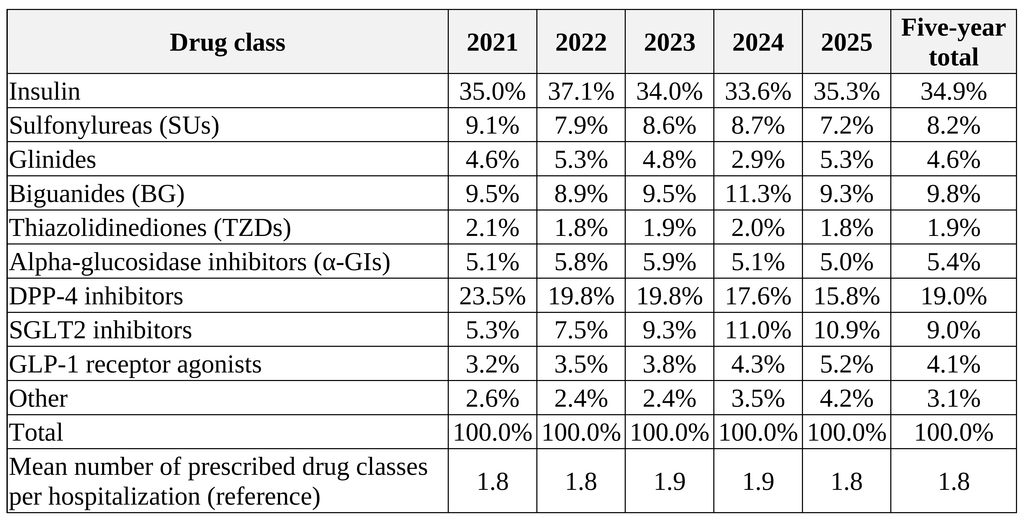
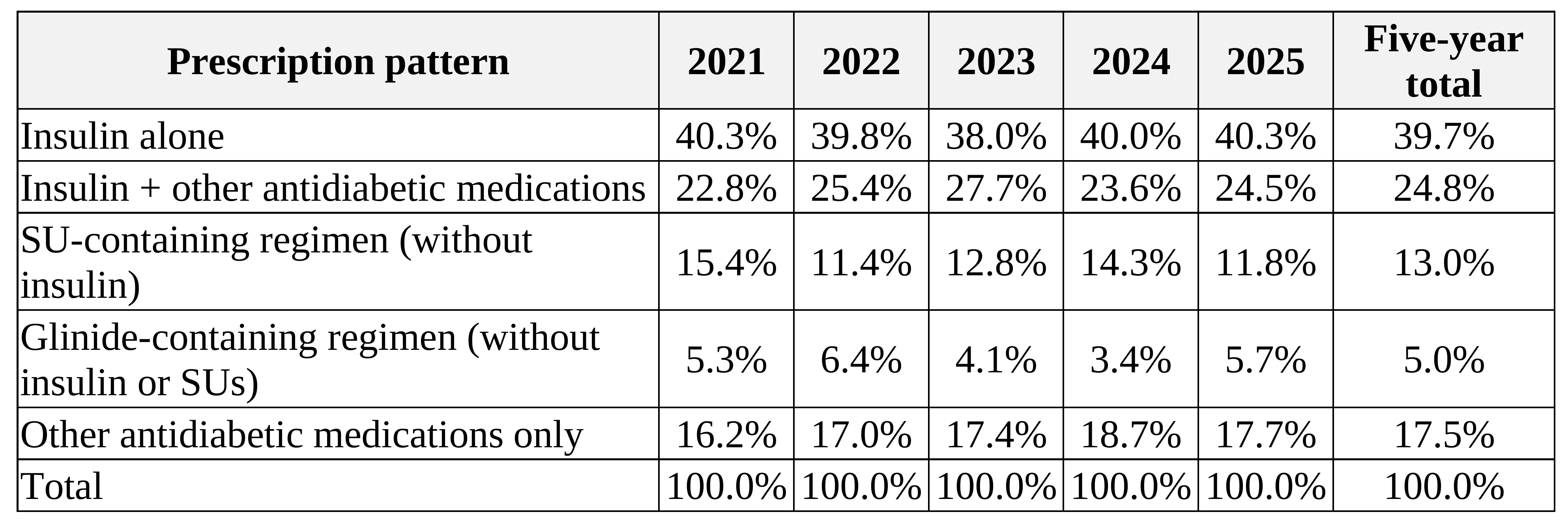
Table 3. Composition of Antidiabetic Medication Classes and Prescription Patterns Before Hospitalization for Severe Hypoglycemia (%)
Drug-class composition (based on total prescribed drug-class counts)¹ ²
Prescription patterns (hospitalization-based)⁴
- Study period: January 2021 – December 2025
- Target facilities: Hospitals with complete data available throughout the study period.
- Target population: Among the hospitalizations for acute complications included in Section 1, hospitalizations for severe hypoglycemia for which prescriptions for antidiabetic medications before admission could be confirmed, including repeat admissions.³
- Prescriptions were identified using the most recent prescription within the 101-day period from 100 days before admission through the admission date, inclusive. Prescriptions recorded on the admission date and medications brought by patients to the hospital were included. For hospitalizations with confirmed antidiabetic medication prescriptions, prescribed drug classes were counted cumulatively. When multiple drug classes were prescribed during a single hospitalization, each class was counted once. The composition ratio represents each drug class’s share of the total prescribed drug-class count (total = 100%).
- Annual data were classified by discharge date. “Other” refers to other antidiabetic drugs (EphMRA ATC code: A10X9).
- Hospitalizations for which prescriptions could not be confirmed, including no prescription, unknown status, or unavailable observation periods, were excluded from this analysis. Such hospitalizations accounted for 48.1% of all severe hypoglycemia hospitalizations over the five-year period.
- Each hospitalization with confirmed prescriptions was assigned to one mutually exclusive category according to the following priority: insulin, then SUs, then glinides (total = 100%). “Insulin alone” indicates no prescription for antidiabetic medications other than insulin. “Other antidiabetic medications only” indicates prescriptions containing none of insulin, SUs, or glinides.
- For fixed-dose combination products, including DPP-4 inhibitor + BG, SGLT2 inhibitor + DPP-4 inhibitor, glinide + other, TZD + BG, TZD + SU, and insulin + GLP-1 receptor agonist, each component was counted once in its respective drug class.
- Among all hospitalizations for severe hypoglycemia, including those with no or unknown prescriptions but excluding admissions for diabetes education, the median age at admission was 79 years (interquartile range: 72–85 years).
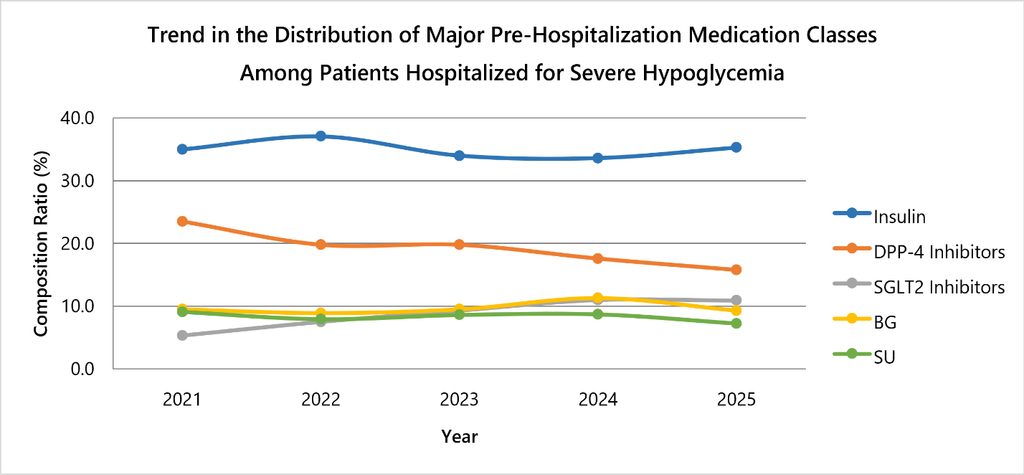
Figure 2. Trends in the Composition of Major Antidiabetic Medication Classes Prescribed Before Hospitalization for Severe Hypoglycemia
- Study period: January 2021 – December 2025 (annual data)
Trends:
The median age at admission for severe hypoglycemia was 79 years (interquartile range: 72–85 years).
Among hospitalizations for which prior prescriptions were confirmed, insulin accounted for the largest share of cumulative prescribed drug classes over the five-year period, at 34.9%. This was followed by DPP-4 inhibitors (19.0%), biguanides (9.8%), SGLT2 inhibitors (9.0%), and SUs (8.2%).
The mean number of prescribed antidiabetic drug classes per hospitalization was 1.8.
Over time, the share of SGLT2 inhibitors increased from 5.3% in 2021 to 10.9% in 2025, while the share of DPP-4 inhibitors decreased from 23.5% to 15.8%.
Interpretation:
Among medications prescribed before hospitalization for severe hypoglycemia, insulin represented the largest drug class, accounting for more than one-third of cumulative prescribed drug-class counts.
When assessed by hospitalization over the five-year period, 64.5% of hospitalizations with confirmed prior prescriptions involved an insulin-containing regimen, while 82.5% involved at least one of insulin, SUs, or glinides.
An average of 1.8 antidiabetic medication classes was prescribed per hospitalization, suggesting that managing hypoglycemia risk among patients receiving combinations of multiple antidiabetic medications may represent an important clinical consideration.
Over time, the share of SGLT2 inhibitors increased while that of DPP-4 inhibitors declined. These changes may reflect broader trends in prescribing practices for type 2 diabetes, which are also apparent in the medication histories of patients hospitalized for severe hypoglycemia.
Meanwhile, insulin consistently accounted for approximately one-third of prescribed drug classes throughout the study period (33.6%–37.1%), indicating no substantial change in its relative position among medications prescribed before hospitalization. It should be noted that prescriptions were absent or could not be confirmed for 48.1% of hospitalizations. This relatively large proportion of hospitalizations with unavailable prior prescription information should be considered when interpreting these results.
3. Composition of Antidiabetic Medication Classes Prescribed After Discharge Among Patients Hospitalized for Severe Hypoglycemia
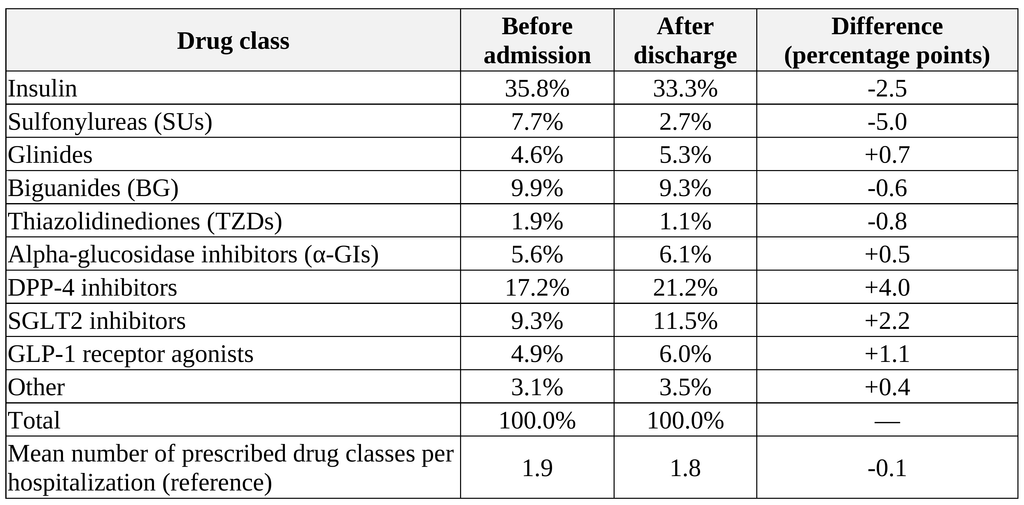
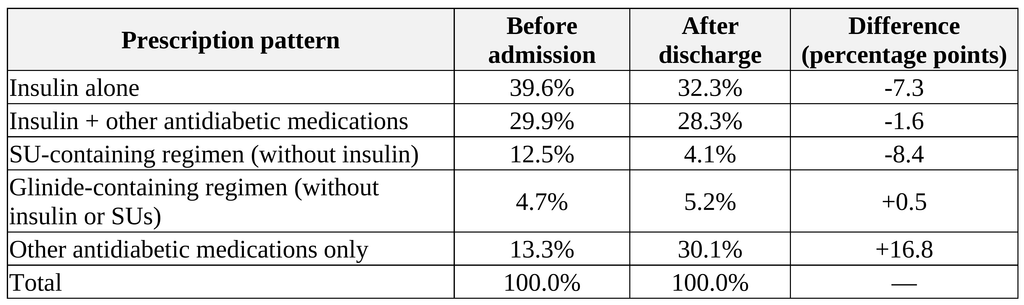
Table 4. Comparison of Antidiabetic Medication Classes and Prescription Patterns Before Admission and After Discharge for Severe Hypoglycemia (Same Hospitalizations, Five-Year Total, %)
Drug-class composition (based on total prescribed drug-class counts)¹ ²
Prescription patterns (hospitalization-based)² ³
- Study period: January 2021 – December 2025
- Target facilities: Hospitals with complete data available throughout the study period.
- Target population: Among the severe hypoglycemia hospitalizations included in Section 2, hospitalizations for which prescriptions for antidiabetic medications could be confirmed both before admission and after discharge, including repeat admissions.⁴
- Post-discharge prescriptions were defined as prescriptions recorded on the earliest date within 100 days after discharge. Pre-admission prescriptions followed the same definition as in Section 2. The comparison was limited to hospitalizations for which prescriptions for antidiabetic medications could be confirmed both before admission and after discharge. The composition ratios were calculated using the same method as in Table 3.
- “Other” refers to other antidiabetic drugs (EphMRA ATC code: A10X9). The pre-admission values in Table 4 differ from those in Table 3 because Table 4 is restricted to hospitalizations for which post-discharge prescriptions were also confirmed, whereas Table 3 includes all hospitalizations with confirmed pre-admission prescriptions.
- Each hospitalization with confirmed prescriptions was assigned to one mutually exclusive category according to the following priority: insulin, then SUs, then glinides (total = 100%). “Insulin alone” indicates no prescription for antidiabetic medications other than insulin. “Other antidiabetic medications only” indicates prescriptions containing none of insulin, SUs, or glinides.
- Hospitalizations for which prescriptions could not be confirmed either before admission or after discharge (none or unknown) were excluded from the comparison. Among all severe hypoglycemia hospitalizations, prescriptions were confirmed both before admission and after discharge in 29.5% of cases (the population included in this analysis), before admission only in 22.4%, after discharge only in 8.1%, and at neither time point in 40.0%.
- For fixed-dose combination products, including DPP-4 inhibitor + BG, SGLT2 inhibitor + DPP-4 inhibitor, glinide + other, TZD + BG, TZD + SU, and insulin + GLP-1 receptor agonist, each component was counted once in its respective drug class.
- Among hospitalizations for which an SU prescription was confirmed before admission, 23.6% also had an SU prescription after discharge, based on comparisons within the same hospitalizations.
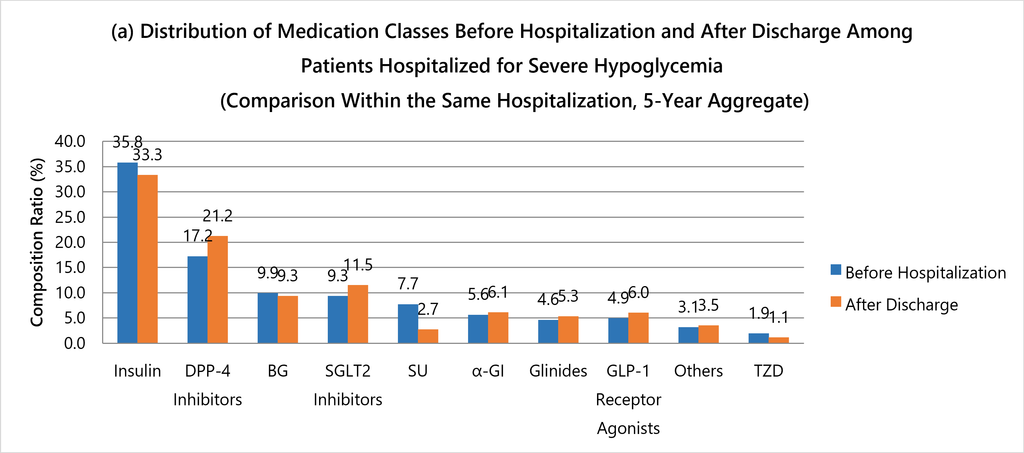
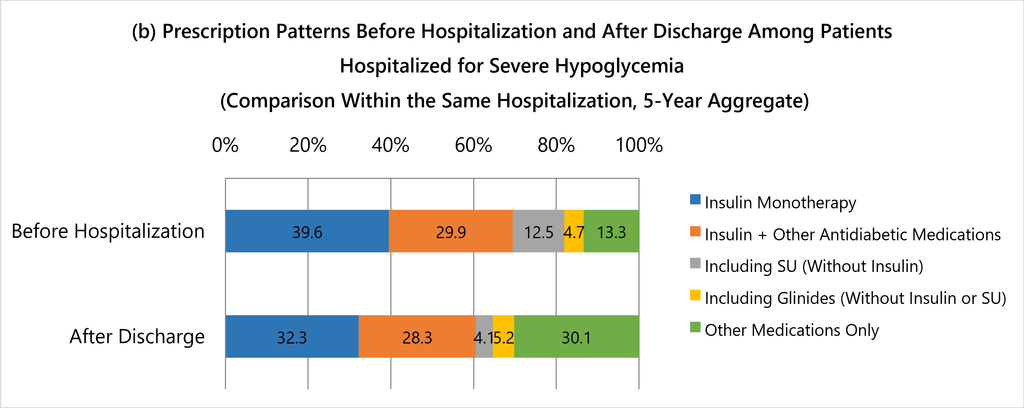
Figure 3. Comparison of Prescriptions Before Admission and After Discharge for Severe Hypoglycemia (Same Hospitalizations, Five-Year Total)
- Study period: January 2021 – December 2025 (five-year total)
Trends:
When comparing the same hospitalizations for which prescriptions were confirmed both before admission and after discharge, insulin’s share of cumulative prescribed drug classes decreased from 35.8% before admission to 33.3% after discharge, while the share of SUs decreased from 7.7% to 2.7%.
The mean number of prescribed drug classes per hospitalization decreased from 1.9 to 1.8.
By prescription pattern, the proportion of hospitalizations involving SU-containing regimens without insulin decreased from 12.5% to 4.1%, while the proportion involving other antidiabetic medications only increased from 13.3% to 30.1%.
The proportion involving insulin alone decreased from 39.6% to 32.3%.
Among hospitalizations for which SUs had been prescribed before admission, 23.6% also had an SU prescription after discharge.
Interpretation:
Changes in prescription patterns before and after hospitalization for severe hypoglycemia represent a central finding of this analysis.
When comparing the same hospitalizations, the share of SUs decreased from 7.7% before admission to 2.7% after discharge, while the shares of DPP-4 inhibitors (17.2% to 21.2%) and SGLT2 inhibitors (9.3% to 11.5%) increased.
The decrease in SU-containing prescriptions and the increase in regimens containing none of insulin, SUs, or glinides suggest that hospitalization for severe hypoglycemia may provide an opportunity to reassess prescribing practices with consideration of hypoglycemia risk.
The Clinical Practice Guidelines for Diabetes in Older Adults 2023 emphasize the importance of individualized treatment that takes into account cognitive function, physical function, comorbidities, and hypoglycemia risk¹. The observed changes may therefore be consistent with these recommendations for clinical practice in Japan.
However, it should be noted that the figures presented in Table 4 represent the relative composition of prescribed drug classes and do not directly indicate medication discontinuation or switching rates among individual patients.
Meanwhile, insulin-containing prescription patterns continued to account for approximately 60% (60.6%) of hospitalizations after discharge, suggesting that a considerable number of patients still require insulin therapy even after experiencing severe hypoglycemia.
These findings further highlight the importance of dose adjustment, glycemic management, and patient and family education to prevent recurrent hypoglycemia among patients continuing insulin therapy. They also suggest that a clinical event such as severe hypoglycemia may serve as an opportunity to reassess treatment strategies.
It should be noted that this comparison was limited to hospitalizations for which prescriptions could be confirmed both before admission and after discharge, representing only 29.5% of all severe hypoglycemia hospitalizations.
MDV’s DPC data do not necessarily allow continuous tracking of medical care and prescription information from other medical institutions or outside the participating hospitals. Consequently, cases in which post-discharge prescriptions could not be confirmed, including patients who died, were transferred to other facilities, or were referred back to their primary care physicians, were not included.
The study population may therefore be disproportionately composed of patients receiving ongoing care at the same medical institution. Appropriate caution is required when interpreting and generalizing these findings. Potential areas for further research using MDV data include examining trends in hospitalizations for acute complications after adjustment for age and sex; conducting patient-level analyses that distinguish first hospitalizations from readmissions; investigating medication change patterns following hospitalization for severe hypoglycemia in greater detail; and assessing associations between prescription changes and subsequent readmissions or recurrent severe hypoglycemia.
4. Summary
This analysis confirmed that, between 2021 and 2025, the increase in the cumulative number of hospitalizations for acute complications among patients with type 2 diabetes exceeded the increase in patient numbers.
Severe hypoglycemia and hyperosmolar hyperglycemic state (HHS) were more common among older patients, with age distributions that differed from that of diabetic ketoacidosis (DKA). These findings suggest that prevention and management of acute complications should take into account differences in age distribution across complication categories.
Furthermore, the comparison of prescriptions before and after hospitalization for severe hypoglycemia showed a decrease in the share of SUs and an increase in the shares of drug classes associated with a relatively lower risk of hypoglycemia. These changes suggest that treatment regimens may be reassessed following hospitalization.
In contrast, the share of insulin showed only a modest decrease, and insulin-containing regimens continued to account for approximately 60% (60.6%) of prescriptions after discharge. Many patients require continued insulin therapy even after experiencing severe hypoglycemia, and prevention of recurrent hypoglycemia following discharge remains important regardless of the medications used.
These findings demonstrate that medical big data can serve as a valuable source of information for understanding patient characteristics and prescribing trends associated with acute complications in real-world clinical practice in Japan.
Further research may include evaluating longitudinal changes in hospitalization risk by calculating hospitalization rates using the number of patients with type 2 diabetes as the denominator, as well as examining associations between prescription changes and clinical outcomes, such as readmissions and recurrent hypoglycemia, through longitudinal patient-level observation.
Such analyses are expected to contribute to the accumulation of evidence supporting treatment optimization and the prevention of complications.
References
- Japan Geriatrics Society and Japan Diabetes Society, editors and authors. Clinical Practice Guidelines for Diabetes in Older Adults 2023. Nankodo; 2023.
- Japan Diabetes Society. Recommendations on the Appropriate Use of SGLT2 Inhibitors. Initially issued June 13, 2014; revised July 26, 2022.
Note: This article was published on November 2 , 2026.

Data survey and analysis tailored to your specific requests
Databases, data analysis requests, and more.

© Medical Data Vision Co., Ltd. All Rights Reserved.